Concrete Leveling Made Easy: Expert Tips for a Smooth and Long Lasting Surface area
Concrete leveling is an important task for preserving both security and aesthetic appeals in any home (Concrete Leveling Des Moines). Numerous variables can result in uneven surface areas, which might call for different approaches for adjustment. Comprehending these techniques is crucial, whether one opts for self-leveling substances or advanced strategies like mudjacking. As the procedure unfolds, it ends up being clear that proactive steps can greatly affect the longevity of concrete surfaces. Exploring these approaches will certainly reveal one of the most efficient services
Recognizing the Causes of Uneven Concrete
Uneven concrete surface areas can frequently be traced back to a number of underlying reasons. One usual factor is dirt negotiation, which takes place as the ground under the concrete changes or presses over time. This can arise from incorrect compaction during the preliminary installment or adjustments in wetness degrees. Another adding aspect is tree origins, which can expand underneath concrete pieces, pressing them upwards and creating disproportion. Additionally, freeze-thaw cycles can lead to heaving, as water infiltrates cracks and increases when iced up (Concrete Leveling). Poor water drainage can aggravate these problems, permitting water to swimming pool and erode the soil beneath the surface. Recognizing these aspects is crucial for property owners seeking to resolve and remedy the disproportion in their concrete frameworks efficiently
Evaluating the Damage: When to Degree Your Concrete
Assessing the damage to concrete surfaces is necessary for preserving safety (Poly Lifting Iowa). Indicators of unequal surface areas, such as splits or tripping hazards, show the demand for prompt attention. Overlooking these issues can cause boosted safety threats and more wear and tear of the concrete
Indicators of Unequal Surface Areas
An obvious shift in the surface of concrete can result in numerous concerns, making it necessary to recognize the signs that show a requirement for leveling. One usual indication is the presence of fractures, which might look like small crevices or bigger spaces. Furthermore, uneven surface areas typically result in pooling water, creating a threat during rainfall or snow. Home owners might additionally discover an obvious slope or dip in the concrete, impacting looks and functionality. When strolling on the surface; hollow or echoing noises can symbolize voids beneath, an additional indicator is the audio created. Routine inspection for these indicators can aid prevent even more deterioration, making certain a risk-free and steady concrete surface area for several years to find.
Effect On Safety And Security Issues
Concrete surface areas that show signs of damages can posture substantial security dangers to individuals and property. Splits, disproportion, and settling can cause stumbling threats, influencing pedestrian safety and enhancing the possibility of mishaps. Furthermore, endangered surface areas may cause more architectural damages, which can intensify repair costs and affect residential property worth. Recognizing when to level concrete is crucial; home owners should monitor for noticeable degeneration, such as recognizable slopes or big fractures. Normal assessments and timely treatments can mitigate risks, ensuring a secure setting for both residents and visitors. Proactively resolving these problems not only improves safety yet likewise extends the life of the concrete, offering a resilient and smooth surface area for numerous applications.
Tools and Materials Needed for Concrete Leveling
When preparing for concrete leveling, understanding the essential tools and products is vital. A comprehensive checklist of necessary products warranties that the process runs efficiently and successfully. This area will certainly describe the secret devices and products required for successful concrete leveling.
Vital Tools Overview
Successful concrete leveling calls for a variety of essential devices and products that ensure accuracy and efficiency. Trick tools consist of a concrete float, which smooths the surface area; a screed board, used to level the concrete; and a trowel for completing sides. A level is important for guaranteeing an also surface, while a concrete mixer is required for preparing the mix. Furthermore, a wheelbarrow help in transporting products, and safety and security equipment, like gloves and safety glasses, safeguards the worker throughout the process. For larger jobs, a concrete pump might be needed to provide the mix properly. Having these devices available permits a structured leveling procedure, making sure a smooth and durable surface that meets project requirements.

Required Products List
A detailed materials list is important for anyone carrying out a concrete leveling job. Trick items include leveling compound, which completes low areas, and a blending container for preparation. Concrete Leveling. A trowel is needed for smooth application, while a float assists accomplish an even coating. Furthermore, a straight side or degree is essential to ensure accuracy throughout the leveling procedure. For safety and security, gloves and safety goggles must be consisted of. A concrete mixer may be valuable for larger jobs, while a mop is useful for surface area preparation. A moist cloth help in cleansing tools post-project. Collecting these materials ahead of time will certainly improve the leveling procedure and add to an effective result
Step-by-Step Overview to Leveling Your Concrete
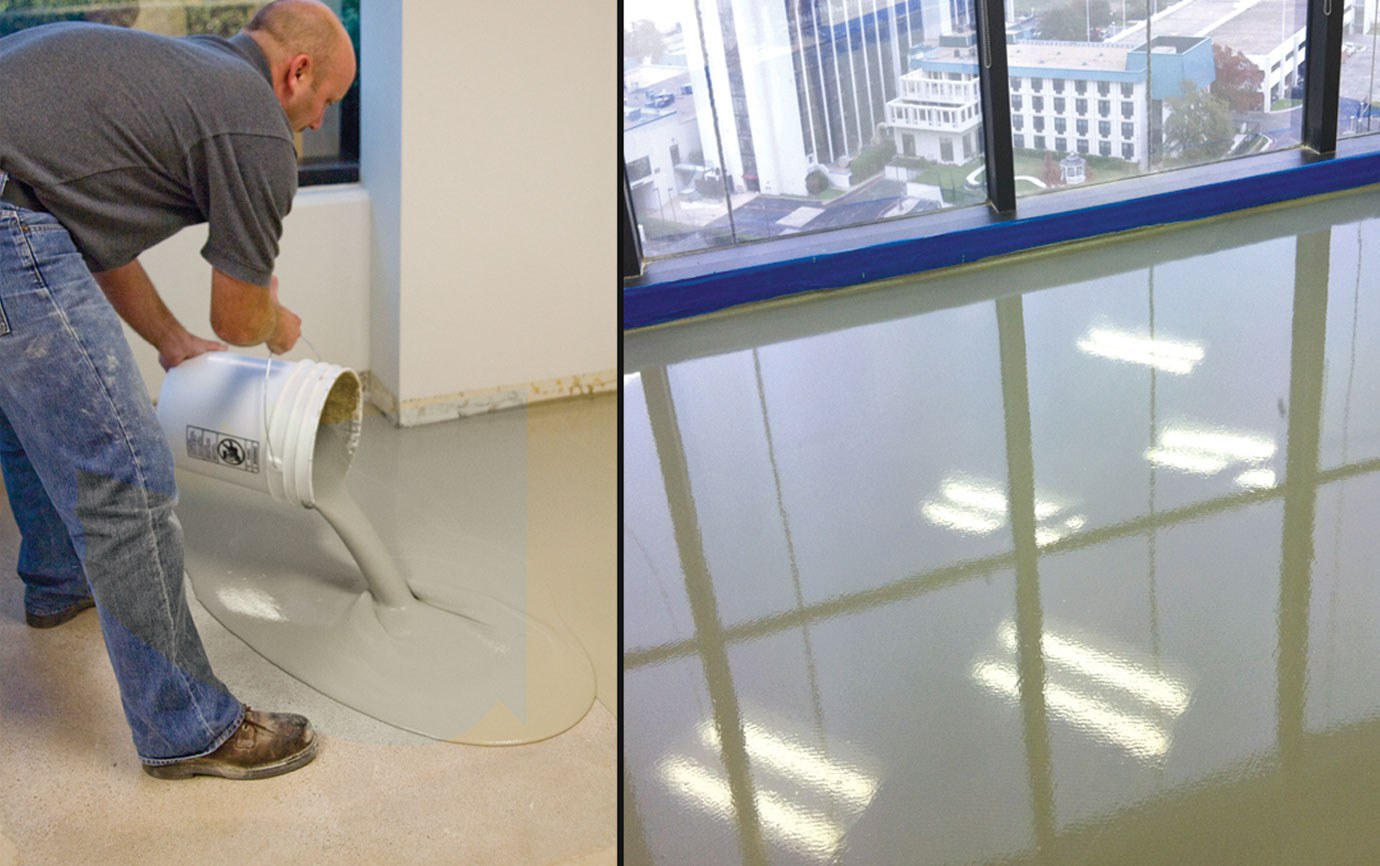
Concrete leveling requires a methodical approach to assure a smooth, even surface area. The area must be completely cleansed, getting rid of all debris and loose product. Next off, check the concrete for fractures or damages and fix them appropriately. As soon as the surface area is prepped, note the locations needing leveling, utilizing a chalk line for accuracy. Mix the picked leveling compound according to the producer's guidelines, making certain proper consistency. Put the compound onto the low spots, spreading it evenly with a trowel. Enable the substance to resolve and treat as directed, preventing foot website traffic during this duration. Inspect the surface for evenness using a level device, making any kind of needed modifications prior to sealing the concrete to protect it from future wear.
Choosing the Right Leveling Method: Mudjacking vs. Polyurethane
Choosing the suitable leveling approach is important to attaining lasting results. 2 common methods are mudjacking and polyurethane foam shot. Mudjacking includes pumping a cement-based blend under the concrete piece to raise it back to its initial setting. This method is commonly affordable and ideal for larger tasks but can be heavier and more time-consuming. In comparison, polyurethane foam injection uses lightweight foam to support the concrete and lift. This approach provides faster curing times and very little interruption but might come at a greater expense. Eventually, the choice between mudjacking and polyurethane relies on certain task needs, including budget, soil conditions, and the dimension of the location needing leveling, ensuring long lasting and reliable options for irregular surface areas.
Preventative Measures to Stay Clear Of Future Uneven Surfaces
Lots of house owners overlook preventative actions that can aid keep a degree surface area in time. Frequently evaluating the concrete for crevices and fractures is necessary, as very early discovery can avoid much Read More Here more significant issues. Making sure correct drain around the property is likewise important; water merging near concrete can cause disintegration and settling. House owners need to think about using landscaping methods, such as sloping soil far from concrete surface areas, to additionally mitigate water-related damage. In addition, using a high-grade sealant can shield against moisture penetration and freeze-thaw cycles. Lastly, preventing excessive weight on concrete surface areas, particularly during building and construction or remodelling, can prevent early settling. By applying these measures, homeowners can significantly reduce the risk of future irregular surface areas.
Keeping Your Concrete for Durability and Sturdiness
Normal upkeep plays a crucial role in ensuring the long life and sturdiness of concrete surface areas. To attain this, normal cleaning is important; particles, dust, and stains need to be eliminated promptly to avoid deterioration. Furthermore, sealing the concrete every couple of years develops a safety obstacle against dampness and damaging chemicals. Evaluating for fractures or damages is vital, as prompt fixings can stop further deterioration. Using a resurfacer can likewise recover the look and performance of worn surfaces. Taking care of water drainage and preventing heavy lots can substantially lower anxiety on the concrete. By following these maintenance techniques, homeowner can prolong the life of their concrete surfaces, guaranteeing they stay both functional and aesthetically appealing for many years to come.
Regularly Asked Concerns
The Length Of Time Does Concrete Leveling Normally Take to Full?
Concrete leveling normally takes in between one to 3 hours for smaller locations, while larger projects might require numerous days. Elements affecting duration consist of the dimension of the location, technique utilized, and weather.
Can I Level Concrete Myself, or Should I Hire a Specialist?
One can level concrete themselves if they have the necessary abilities and devices; however, working with an expert is suggested for complicated tasks or those doing not have experience, ensuring a better and even more durable surface.
What Weather Are Perfect for Concrete Leveling?
Ideal climate condition for concrete leveling include light temperature levels between 50 ° F and 85 ° F, with reduced humidity and very little wind. These variables assist assure proper treating and adherence, reducing the danger of splits and incongruities.
Is It Safe to Walk on Leveled Concrete Quickly After Application?
Walking on leveled concrete immediately after application is generally not risk-free. Poly Lifting. It needs time to treat appropriately, and early foot traffic can damage the surface area, leading to imperfections and a lowered lifespan of the leveling material
Exactly How Much Does Concrete Leveling Normally Price?
Concrete leveling commonly costs between $3 to $25 per square foot, depending upon aspects like the level of leveling required, the approach used, and regional pricing variants. House owners need to get several quotes for accurate quotes.
Assessing the damages to concrete surfaces is important for preserving safety. A recognizable shift in the surface of concrete can lead to different concerns, making it crucial to recognize the signs that indicate a need for leveling. Key devices include a concrete float, which smooths the surface; a screed board, utilized to level the concrete; and a trowel for completing edges. A degree is essential for making certain an also surface area, while a concrete mixer is needed for preparing the mix. Concrete leveling requires a methodical method to assure a smooth, also surface area.